





What Players Expect From A Modern Casino Access Point
In 2026, players judge a platform in the first minute. They want a clear member area, a visible cashier, and quick access to support and account tools. The real question is not how loud the design looks, but how easily a person can sign in, review the balance, and understand what to do next.
Imagine opening the platform during a short break. Usually, you want to check the wallet, confirm that the session still fits your budget, and move into the lobby without friction. When the account area is structured well, those steps feel natural instead of scattered.
First Steps After Opening The Platform
A practical first move is to pause before playing. Check the account menu, locate the cashier, scan the help section, and see where limits or timeout tools are stored. If you are new, this is the safest moment to learn the layout. Two calm minutes at the start often prevent avoidable mistakes later.
How Returning Players Usually Move Faster
Returning users often follow a simple rhythm: sign in, confirm the balance, look for any profile notices, and only then choose a game. If you already know your own habits, that sequence becomes even more useful because it separates account access from impulse. Usually, the mistake happens when a player rushes straight from sign-in to the first game tile without reviewing anything else.
Account Setup, Verification, And Control
A strong account process should feel direct. You enter your details, confirm ownership, and reach the member area with a clear sense of what may be needed next. Most users do not want a long lesson. They want clean prompts, accurate profile fields, and obvious next steps.
If you are registering for the first time, treat the profile like groundwork, not a formality. Use real details, keep your contact information current, and make sure personal data matches the payment route you expect to use. Picture a player who signs up quickly at night, skips profile cleanup, and later expects an easy payout on the first try. That is where avoidable friction often begins.
Keeping Your Details Organised From Day One
Profile management works best as a quiet habit. Review contact details after registration, update payment information when something changes, and set basic controls before the first serious session. If you switch cards, devices, or phone numbers, early updates are usually easier than fixing a live problem during a withdrawal or access issue.
Payment Flow, Session Planning, And Cash-Out Rhythm
Banking is where routine matters most. A session can feel smooth until money movement becomes unclear, so careful players usually study the cashier before they need it. They check available methods, confirm that names match, and look for notes about review steps or processing order.
Imagine you are about to deposit but are unsure how long you want to play. Many experienced users start smaller, not larger. A test amount shows whether the payment route works, whether the balance updates correctly, and whether the platform fits your routine before you commit more money.
Payment Purpose | What Players Usually Check | Why It Matters |
|---|---|---|
First deposit | Method availability, name match, minimum amount | Reduces early errors |
Repeat deposit | Session budget, previous success, speed | Keeps spending planned |
Withdrawal request | Verified profile, active route, review status | Helps avoid delays |
Account review | Readable documents, matching details | Makes follow-up simpler |
Session limits | Daily or weekly boundaries, timeout tools | Supports better control |
The most practical rhythm is deposit, play, pause, review. Not repeated top-ups without a plan. That difference sounds small, but it shapes how clearly a player sees the real cost of the session and whether the platform still feels comfortable on mobile or desktop.
How Players Avoid Rushed Banking Decisions
Usually, they set a budget before opening the cashier, choose one payment route, and avoid switching methods unless there is a clear reason. If you are testing a new platform for the first time, consistency gives cleaner feedback about what is working and what needs attention.
What To Check Before Requesting A Payout
Review the profile, confirm that the payment route is still active, and check whether any identity step still needs attention. Imagine trying to request a payout while traveling with weak signal and old screenshots stored on your phone. In most cases, a two-minute review at home is faster than fixing a preventable problem afterward.
Games, Filters, And Choosing A Session Style
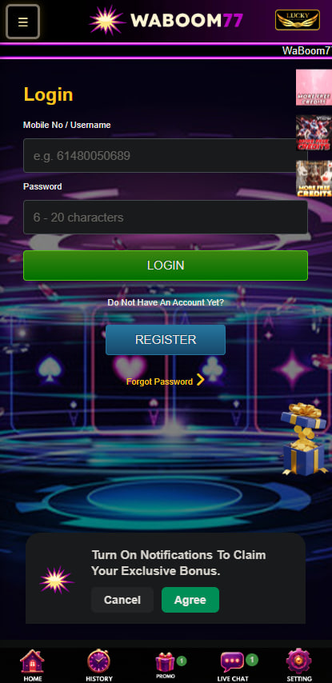
The lobby matters because it shapes decisions. Clear filters, useful categories, and easy movement between sections help players stay intentional instead of drifting through endless options. If you open the platform with only twenty free minutes, finding the right format quickly matters more than browsing everything. In 2026, many users care less about sheer volume and more about whether they can match a session to the time they actually have.
Picking Between Fast Sessions And Longer Play
Short sessions work best when the goal is narrow. You know the category, the budget, and the stop point before the first round begins. That suits busy days, especially when entertainment needs to fit around work, study, or travel. Usually, the smoother the plan, the easier it is to finish on time.
Longer sessions need more structure, not less. If you plan to stay for an hour or more, set checkpoints. Pause after a fixed period, review spending, and decide whether continuing still makes sense. Picture a player settling in for the evening with no clear limit. Time moves quickly, and decision quality often drops before the person notices.
Why Small Test Sessions Still Matter In 2026
Even confident players use short test sessions when learning a new interface. If you are exploring a platform on a new device, this is the easiest way to see how the balance display behaves, whether the filters feel useful, and how comfortable the layout is. A careful trial is not hesitation - it is a practical way to gather information before a platform becomes part of a regular routine.
Using Limits Before The Session Gets Busy
The strongest moment to set limits is before the game area starts pulling your attention. Players often use deposit caps, timeout options, or simple reminders to interrupt the flow long enough to make the next decision deliberate. If you know evenings are your weak spot, setting those controls in advance is usually smarter than relying on mood once the session is already moving.
Mobile Access, Device Habits, And Daily Convenience
For many users, the phone is the main entry point. That changes expectations. Menus need to load cleanly, balance updates need to be easy to spot, and the path from account access to cashier to support has to make sense on a smaller screen.
Think about a commuter opening the platform with one hand. That player is not reading long promotional copy. They are checking whether the interface responds quickly, whether account tools are reachable, and whether leaving the session is just as easy as entering it.
Desktop still matters, especially for profile maintenance. Many people prefer a larger screen when reading payment notes, reviewing terms, or uploading documents. The most balanced routine is often mixed: phone for shorter sessions, desktop for account cleanup and more careful reading.
When A Phone Is Better Than A Desktop
Mobile usually wins when the task is narrow and clear. Check the balance, continue a familiar game, or ask a simple support question. If you know exactly what you want to do while waiting for a bus or sitting in a cafe, the smaller format can reduce distraction rather than create it.
Managing Notifications, Timeouts, And Breaks
Notifications help only when they serve a purpose. Some players keep account alerts on and mute everything else. Others disable most prompts because they do not want random reminders shaping their schedule. Imagine noticing that short visits are happening more often than planned. That is a good moment to use a timeout or a cooling-off tool instead of relying on mood alone.
Support, Safety Tools, And Responsible Use
Support quality becomes obvious when something goes wrong. A delayed payout, a payment mismatch, a document that fails to upload - these are the moments that show whether the platform is practical to deal with. Good support is not only polite wording. It is clear guidance and a path that helps solve the issue without unnecessary repetition.
If you hit a problem, collect the basics before you reach out. Note the time, the action you took, and what happened on screen. Usually, a short factual message works better than a vague complaint. Imagine sending: "My balance looks different after a paused session, and this started when I changed devices." That gives support something concrete to review.
Responsible use tools deserve the same attention as promotions or games. Deposit limits, timeout settings, reminders, and self-exclusion options are part of how adult players keep entertainment within a boundary that still feels manageable in Australia. A sensible habit is to define the stop point before play begins - a time limit, a fixed spend ceiling, or a rule not to redeposit on the same day.
When To Contact Support Instead Of Guessing
As a rule, contact support when the issue touches money movement, account ownership, or repeated technical failure. If a withdrawal status changes unexpectedly or a login issue repeats across devices, that is the moment to stop guessing. Document what happened and ask for a clear answer instead of repeating the same action in panic.
Reviewing Terms Without Getting Lost
Most people do not enjoy reading terms, but they can still read strategically. Focus on the parts tied to payments, verification, account restrictions, and any time-sensitive conditions. Imagine checking only the rules that affect your next action. The process feels far more practical when you read with a purpose instead of trying to absorb every line at once.
Australia-Focused Practical Checklist For 2026
For adult players in Australia, and subject to applicable local rules, the best routine is surprisingly ordinary. Confirm the profile details. Make sure the payment route matches your name. Use limits before the session starts. Choose a game style that fits the time available. Keep support notes short and factual. Request a payout only after checking that the profile and banking details are in order.
If you are comparing a new platform with one you already know, treat the first week like a trial period. Start smaller, learn the layout, test the cashier, and compare how mobile and desktop fit your day. If the account tools feel clear and the support path makes sense, continue. In 2026, the strongest player habit is not speed. It is control.